Same Order, Every Time: The Quiet Power of Your Deli Ritual
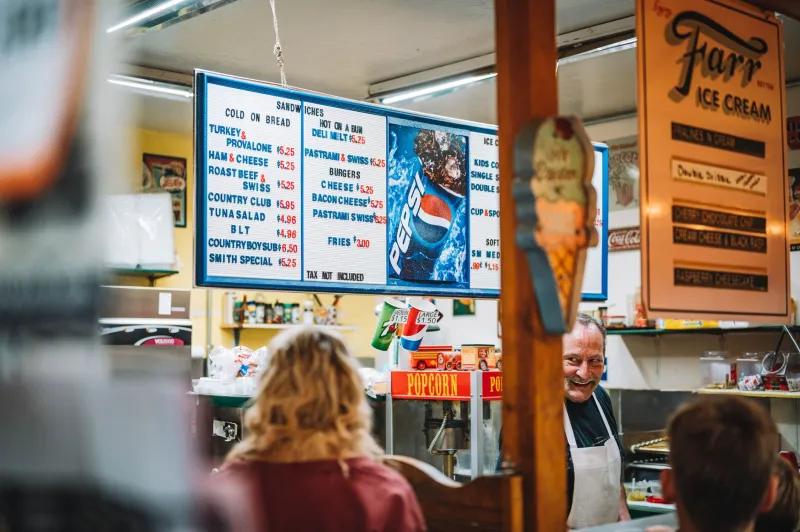
You already know what you want. You knew before you left the house, maybe before you even woke up. Turkey on rye, extra mustard, a cup of the matzo ball soup if it's Tuesday. You've ordered it so many times that the person behind the counter is already reaching for the bread before you open your mouth.
That's not a small thing. That's a ritual.
And if you've ever tried to explain to someone why you can't just "order something different for once," you already know how hard it is to put into words. It's not really about the sandwich. It's about everything the sandwich represents.
Why We Cling to Our Usuals
Psychologists have a term for the comfort we find in repeated behaviors: behavioral anchoring. When life feels unpredictable — a stressful commute, a rough morning at work, a season of uncertainty at home — familiar routines give us something solid to hold onto. They signal safety to the brain. They say: this part, at least, you can count on.
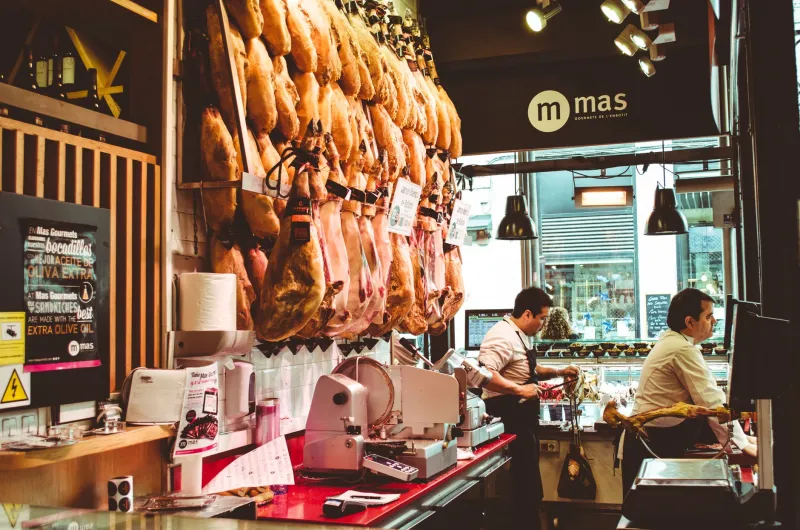
Food rituals are among the most powerful of these anchors, precisely because they engage so many senses at once. The smell of toasted bread, the sound of the deli slicer, the weight of the paper-wrapped sandwich in your hand — all of it fires off the same neural pathways, every single time. It's comfort in the most literal, neurological sense of the word.
Dr. Cristina Landa, a behavioral researcher who studies food and memory, puts it plainly: "Repeated food experiences create strong associative memories. When we return to the same meal in the same context, we're not just feeding our bodies. We're reinforcing a sense of identity and continuity."
In other words, your turkey on rye isn't just lunch. It's proof that some things stay the same.
The Stories Behind the Orders
Ask any deli owner about their regulars, and you'll hear the same thing: the orders don't change, but the people do — and they're watching.
Marcus, who's been running a counter spot in his neighborhood for going on eighteen years, can tell you which customers started coming in as college kids and now bring their own children. He remembers the woman who ordered a plain roast beef on white every Friday without fail, then disappeared for eight months after her husband passed. When she came back, she ordered the same thing. "She sat down and just cried a little," he said. "Told me it felt like coming home."
That's the part that doesn't show up on a menu.
Jamie, a middle school teacher in her late thirties, has been ordering the same Italian combo from her neighborhood deli since her first week of student teaching. "I was a nervous wreck back then," she laughs. "That sandwich was the one thing I could control. Now, fifteen years later, I still get it every Friday. It's like a reward. It means the week is done and I made it."
For Jamie, the sandwich has outlasted two apartments, one marriage, and a cross-town move. She drives the extra twelve minutes now. It's worth it.
Then there's David, a retired firefighter who stops in every Tuesday morning for a bacon, egg, and cheese on a hard roll. He's been doing it since before he retired. "It was the thing I did on my days off when I was still working," he explains. "Now every day is a day off, but I still come on Tuesdays. Keeps me honest, I guess."
What the Deli Owners Know That No One Else Does
Here's something most customers don't realize: the people behind the counter are quietly keeping track of your life.
Not in a strange way. In the way that neighbors do. They notice when you look tired. They notice when you're glowing. They notice when you stop coming in for a while and breathe a little easier when you walk back through the door.
"You become part of people's routines, and that means you become part of their lives," says Elena, who co-owns a deli with her brother in a busy residential neighborhood. "I've had customers tell me things at the counter they probably haven't told anyone else. Not because we're therapists — just because it's safe here. It's familiar. People open up in familiar places."
She's watched customers come in after funerals still wearing their black clothes, ordering the same egg salad they always get. She's had people walk in after job interviews, practically vibrating with nerves, and she's handed them their usual before they could even ask. "Sometimes people just need something to go right," she says. "Even if it's just lunch."
This is the invisible labor of the neighborhood deli — the emotional infrastructure that never appears on a receipt.
When the Usual Changes
Of course, rituals evolve. Sometimes a regular switches things up — a dietary change, a new health goal, a phase of life that calls for something different. And good deli folks take note of that too.
Marcus recalls a long-time customer who spent years ordering a Reuben every single week. Then one day, he asked for a veggie wrap. Marcus didn't say a word about it — just made it. A few weeks later, the guy mentioned he'd had a health scare. "He didn't need me to make a big deal out of it," Marcus says. "He just needed me to make the wrap."
That quiet accommodation — no fanfare, no interrogation — is part of what makes the deli relationship so durable. It bends without breaking.
Your Order Is Yours
There's a reason people get almost territorial about their usuals. It's one of the few things in modern life that's entirely, uncomplicated yours. No algorithm suggested it. No one optimized it. You found it, you refined it, and you claimed it. Every time you order it, you're reaffirming something small but true about who you are.
And somewhere behind a counter, someone who knows your face and your order is ready to hand it over without making it weird.
That's rarer than it sounds. And more valuable than most of us stop to appreciate.
So next time you walk in and someone's already reaching for the rye — let yourself feel good about that. Not just because lunch is coming. But because you've built something. A small, sturdy, delicious piece of your daily life.
Same order, every time. Nothing wrong with that at all.