From TikTok to the Pickle Jar: Why Gen Z Is Falling Hard for the Local Deli
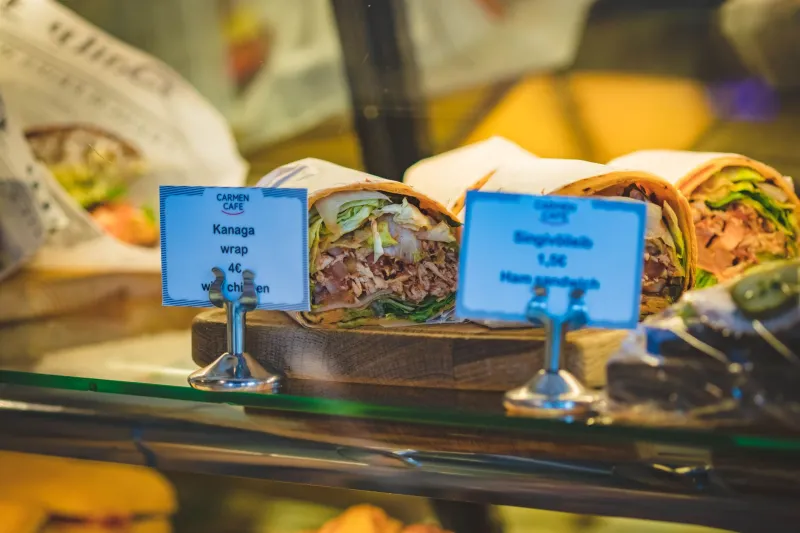
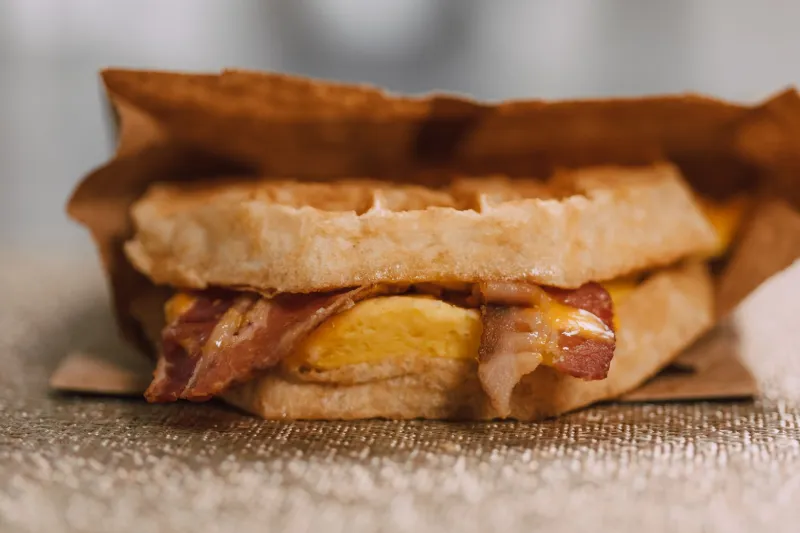
Something unexpected is happening behind the deli counter. In between slicing pastrami and wrapping up turkey clubs, neighborhood sandwich shops across the country are noticing a new kind of regular: younger, phone-in-hand, and deeply curious about what goes into their food. Gen Z — that massive, culture-shaping generation born between the late '90s and early 2010s — is quietly becoming one of the deli world's most enthusiastic customer bases. And honestly? It makes a lot of sense.
The Chain Fatigue Is Real
Talk to almost any 22-year-old about their lunch habits and you'll hear a version of the same story. "I got so tired of the same six options at every fast-casual place," says Maya, a 24-year-old graphic designer who started coming into her local deli in Philadelphia about a year ago. "Everything tasted the same, and I never really knew what I was eating. Here, I can see them making my sandwich right in front of me."
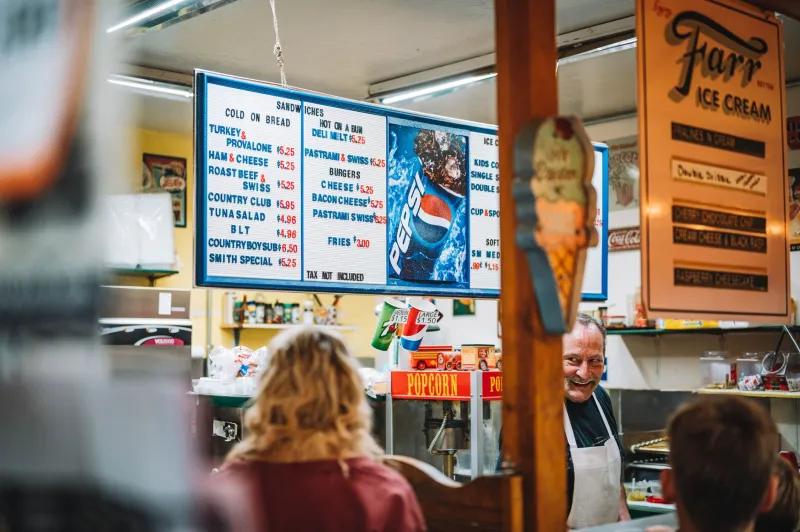
That transparency matters more to this generation than perhaps any before it. Raised on documentaries about industrial food production and social media feeds full of farm-to-table content, Gen Z has developed a healthy skepticism toward anything that feels mass-produced or opaque. The neighborhood deli — with its open counter, its hand-labeled specials board, and its owner who actually knows your name — offers something no chain can replicate: realness.
"They ask questions," says Dominic, who runs a family-owned deli in Austin, Texas. "Where's the bread from? Is the turkey roasted in-house? What's in the house sauce? I love it. That curiosity keeps us honest and keeps us creative."
The Social Media Effect (And It's Not What You Think)
Yes, Gen Z lives on TikTok and Instagram. But the way they interact with food content has evolved past simple aesthetics. A perfectly stacked sandwich still gets clicks, but what really drives engagement now is story. Process videos — watching a deli worker hand-slice a brisket, layer a Reuben, or press a Cuban — rack up millions of views because they feel genuine. There's no filter on a meat slicer. No corporate script behind a good pickle.
Several deli owners say they've seen direct traffic from social media without ever running a paid ad. "A customer posted a video of our egg salad sandwich and tagged us, and we had a line out the door the next Saturday," recalls Priya, who co-owns a deli in Brooklyn. "We didn't do anything. The sandwich did the work."
For delis looking to connect with younger customers, the message is simple: don't overthink it. Authenticity posts better than polish. A quick video of the morning bread delivery, a behind-the-counter shot of the day's specials going up on the chalkboard, or even just a photo of a truly excellent sandwich — these are the kinds of moments that resonate.
Values on the Menu
It's not just about the food itself. Gen Z tends to make purchasing decisions through a values lens, and local delis often align naturally with what this generation cares about. Buying from a small business rather than a multinational corporation? Check. Supporting a neighborhood institution that employs local people? Check. Eating food made with fewer mystery ingredients? Absolutely check.
Sustainability is another big one. Many neighborhood delis already source from regional farms, use seasonal ingredients, and generate less packaging waste than chain competitors — they just haven't always talked about it loudly. Deli owners who start highlighting these practices are finding that younger customers respond enthusiastically.
"I started putting a little note on the menu about where we get our roast beef," says Dominic. "A local ranch about 40 miles outside the city. People started asking about it, talking about it. It became part of why they come in."
Menus That Speak the Language
Adapting to a new generation of customers doesn't mean abandoning what makes a deli a deli. It means expanding the conversation. Some shops are introducing globally inspired flavor profiles — think gochujang aioli, za'atar-seasoned turkey, or a banh mi-style hoagie — while keeping their classic staples firmly in place. Others are getting serious about vegetarian and vegan options, not as an afterthought but as a genuine part of the menu.
"We added a smashed chickpea sandwich last spring," says Priya. "Half our older regulars looked at it sideways. But it's now one of our top sellers, and most of the people ordering it are under 30. You figure it out."
The key, most owners agree, is balance. You don't gut your identity to chase a trend. You evolve thoughtfully, keeping the soul of the place intact while making room for new ideas.
The Community Connection Hits Different
Here's something the chains simply cannot manufacture: the feeling of belonging to a place. Gen Z, for all its digital fluency, is surprisingly hungry for real-world community. Studies consistently show that this generation reports higher rates of loneliness than older ones — and they're actively seeking spaces that feel like genuine gathering spots.
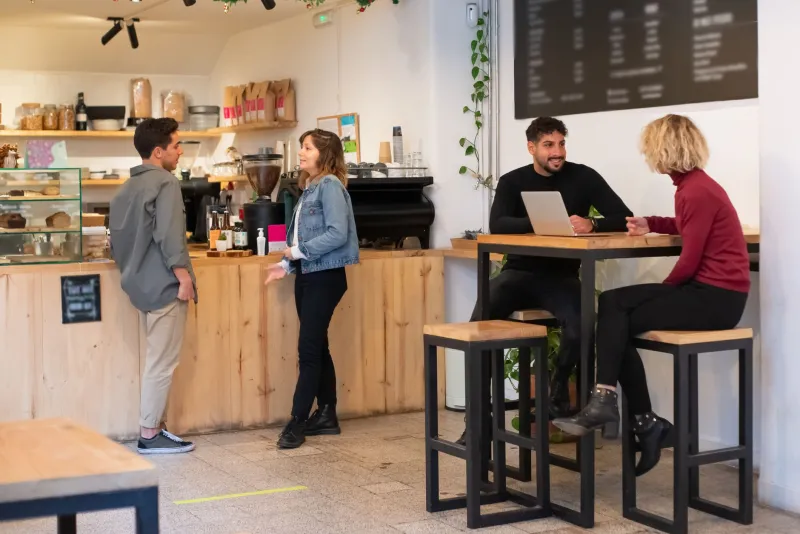
The neighborhood deli, at its best, is exactly that. It's the place where the owner remembers your usual. Where you run into your neighbor. Where the lunch rush feels like a neighborhood event rather than a transaction. That sense of place, of being known, of mattering to a small business — it's a powerful draw for younger customers who grew up with algorithmic feeds and contactless everything.
"I come here because it feels like a place," says Jordan, a 21-year-old college student who frequents a deli near his campus in Chicago. "Not an app. Not a brand. An actual place with actual people."
What It Means for Your Neighborhood Deli
If you're running a local sandwich shop and you haven't thought much about Gen Z, now's a good time to start paying attention. Not because you need to overhaul everything, but because this generation's values — authenticity, transparency, community, quality — happen to line up beautifully with what neighborhood delis have always done best.
Show your process. Talk about your ingredients. Make room for new ideas without abandoning your classics. And keep doing what you've always done: making good food for real people, one sandwich at a time.
That's a story worth telling. And Gen Z is already listening.