Why Independent Delis Are Quietly Crushing the Fast-Casual Competition
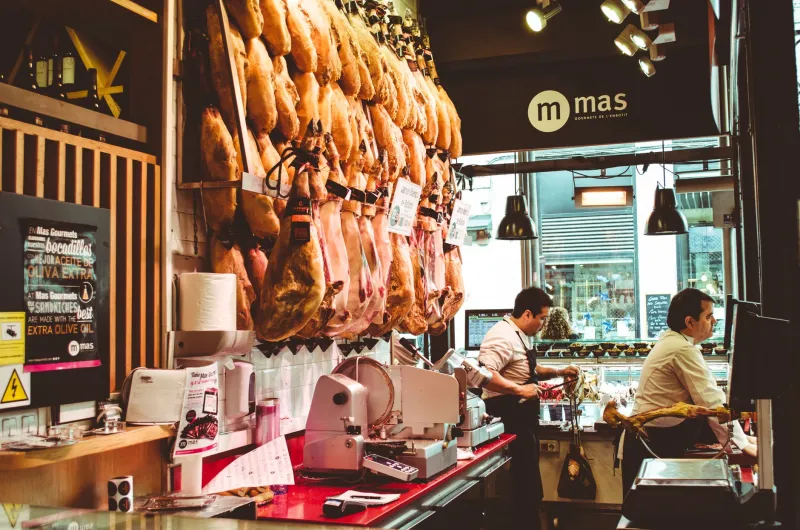
For years, the conventional wisdom held that slick, well-funded fast-casual chains would eventually squeeze out every mom-and-pop deli in America. The thinking made sense on paper: chains have marketing budgets, loyalty apps, consistent branding, and the kind of operational muscle that a small counter operation could never match. Turns out, the opposite is happening. Across the country, neighborhood delis are not just surviving — they're thriving, and the reasons why say a lot about what American eaters actually want right now.
The Chain Fatigue Is Real
There's a moment most of us have experienced: you're staring at a touchscreen kiosk at some fast-casual spot, scrolling through laminated options that feel engineered by committee, and you think — why am I here? That creeping dissatisfaction has a name. Food industry analysts have started calling it "chain fatigue," and it's showing up in the data in a big way.
A 2023 consumer sentiment survey from Technomic found that nearly 60 percent of diners under 45 said they actively preferred locally owned restaurants over national chains when given a comparable option nearby. The word that kept surfacing in focus groups? Authenticity. People don't just want a sandwich. They want a sandwich that feels like it came from somewhere — from someone.
That's a hard thing to fake. And independent delis, by their very nature, don't have to.
What Chains Can't Buy
Walk into a fast-casual chain and you'll get a perfectly calibrated experience. The lighting is warm but not too warm. The menu is tested for maximum appeal across demographics. The staff is trained to be friendly in a very specific, scripted way. It's fine. It's just not yours.
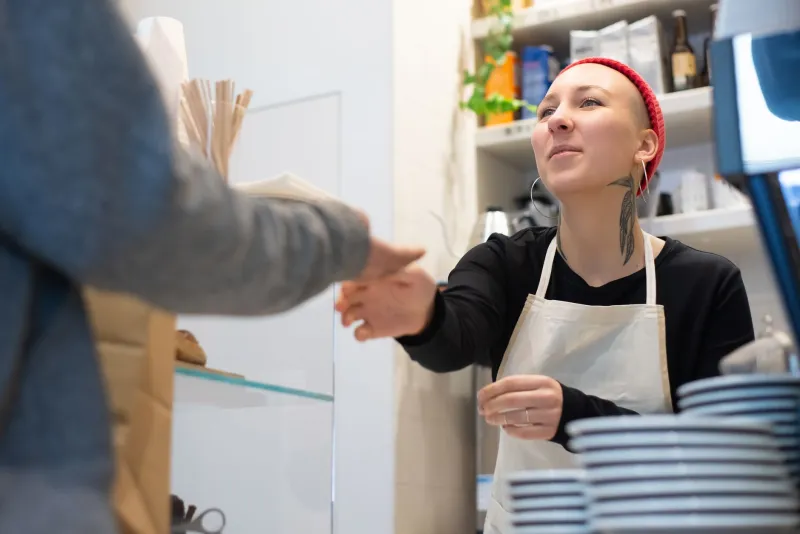
Walk into your neighborhood deli, and something different happens. The person behind the counter knows you take mustard on the side. They remember that you always add extra pickles. They might ask how your kid's soccer tournament went last weekend. That's not a customer service script — that's a relationship, built one lunch at a time.
This is the thing that no chain, no matter how well-capitalized, can replicate at scale. Community connection is inherently local. It lives in specific people, in specific places, and it grows over time. Independent delis have been quietly accumulating that kind of social capital for decades, and it turns out that in 2024, it's worth more than anyone expected.
The Ingredient Conversation Has Changed
Another factor working in the neighborhood deli's favor: American consumers have genuinely changed the way they think about food quality. The clean-label movement, the farm-to-table wave, the growing skepticism toward ultra-processed foods — all of it has shifted expectations in ways that benefit small operators.
Your local deli can tell you exactly where the turkey on your sandwich came from. They can pivot to a new local cheese when they find something great at the farmers market. They can pull a product off the menu if they're not happy with the quality that week. Chains can't do any of that. Their supply chains are locked in, their menus are approved months in advance, and their ingredients are standardized across hundreds of locations.
For a growing slice of the American lunch crowd, that kind of flexibility and transparency isn't a nice-to-have. It's the whole point.
Small Operators Are Getting Smarter About Business
It would be a mistake to credit the deli resurgence entirely to vibes and community warmth. Independent operators have also gotten significantly better at running their businesses — and that matters.
Many neighborhood delis have adopted the digital tools that once felt like the exclusive domain of bigger players. Online ordering, catering platforms, text-based loyalty programs, and social media presence have all helped small shops compete for attention and convenience without sacrificing their identity. The key is that the best independent delis have figured out how to use these tools without becoming the thing they're competing against. The Instagram account has personality. The online ordering system still routes to a real person who knows the regulars.
Catering has also become a major growth driver. Corporate offices, birthday parties, school events, neighborhood block parties — delis that have built out their catering operations are finding a reliable revenue stream that chains often can't serve as personally or as flexibly. When a company wants lunch for 40 people and they want it to feel like a real meal rather than a conveyor-belt experience, they're increasingly picking up the phone and calling the deli down the street.
The Pandemic Reshuffled the Deck
The COVID-19 pandemic was brutal for the restaurant industry across the board, but it reshuffled the competitive landscape in ways that ended up benefiting many independent delis. When people were stuck at home and desperate for comfort, they turned to the places that felt most like an extension of their neighborhood. Local delis — many of which pivoted quickly to curbside, takeout, and even grocery-style prepared foods — found that their customer loyalty ran deep.
Many chains, meanwhile, struggled with the rigidity of their own systems. And when dining rooms reopened, a significant number of people had formed new habits. They'd discovered or rediscovered their local deli, and they kept coming back.
There's also a broader cultural shift at play. The pandemic accelerated a "shop local" ethic that had been building for years. People became more aware of which businesses were embedded in their communities and which ones were just passing through. Independent delis, almost by definition, are embedded. They're owned by neighbors. They employ locals. Their success or failure is felt in a way that the closure of a chain location simply isn't.
What This Looks Like on the Ground
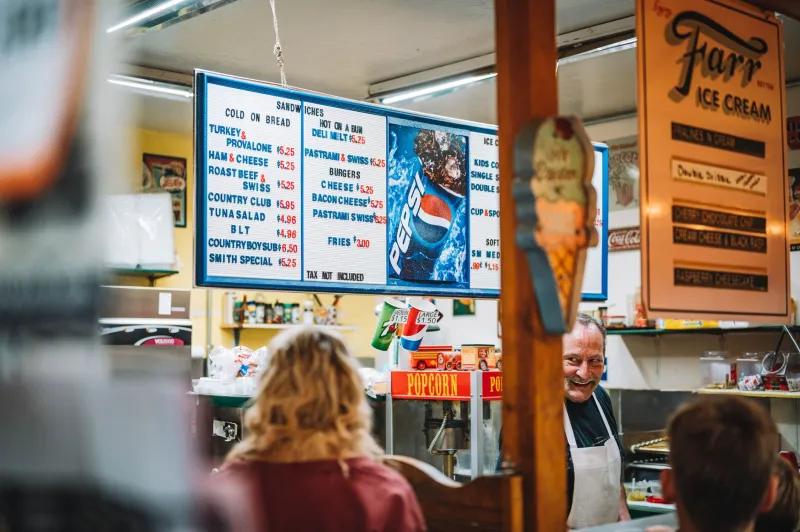
In cities from Portland, Oregon to Portland, Maine, the story is playing out in real time. Delis that have been around for 30 years are seeing lines out the door on weekend mornings. New deli concepts are opening in neighborhoods that haven't had one in years, betting that demand is there — and finding out they're right. Food halls and market spaces that once filled up with trendy fast-casual concepts are now actively recruiting independent deli operators because they draw a loyal, repeat crowd.
None of this means the chains are going anywhere. The big players have resources and reach that no single deli can match. But the idea that corporate fast-casual was the inevitable future of American lunch? That story is getting a serious rewrite.
The Counter Is Open
There's something almost poetic about the fact that the deli — one of the oldest food service formats in American culture, rooted in immigrant communities and neighborhood life — is the thing that's holding its own against billion-dollar brands. It suggests that what people are really hungry for isn't just a good sandwich, though that helps enormously. It's a place that feels like it belongs to them.
The neighborhood deli has always offered that. It just took a few years of chain fatigue, a global pandemic, and a collective rethinking of what we actually value in our daily lives to remind everyone that it was there all along.