Stacked and Staying: How the Neighborhood Deli Is Anchoring America's Downtown Revival
The Unlikely Catalyst Nobody Saw Coming
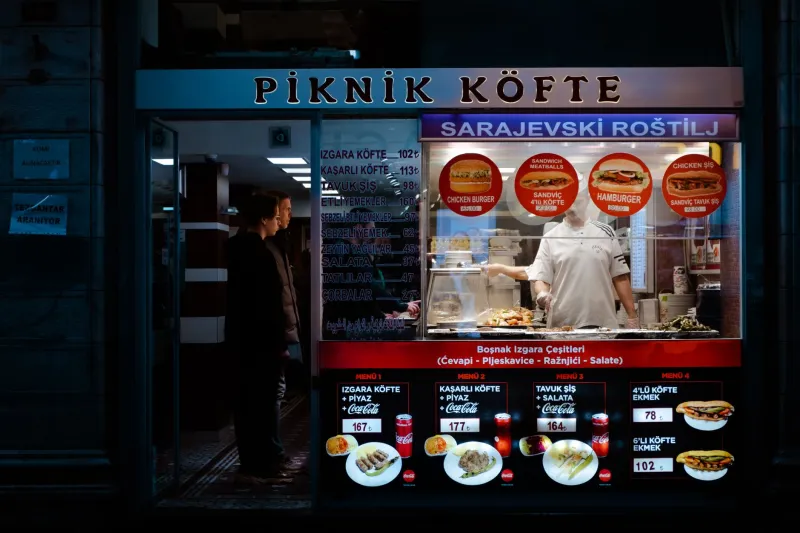
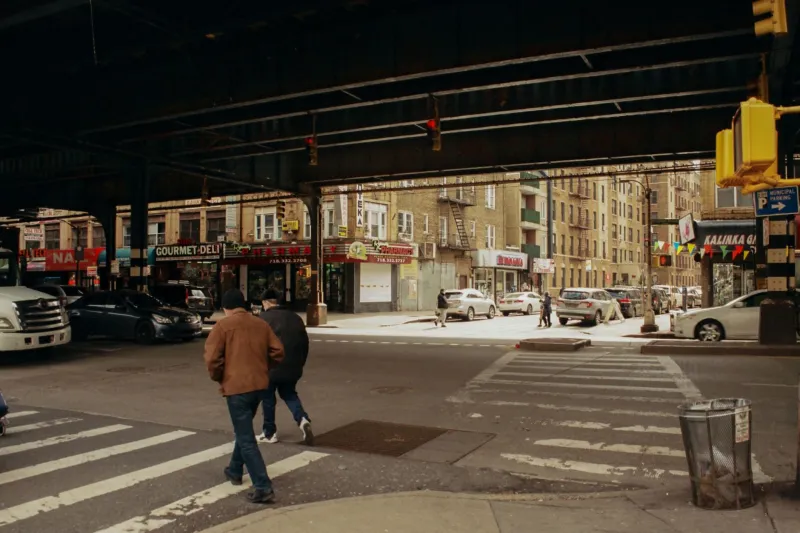
Drive through almost any midsize American city right now and you'll notice something happening on the blocks that used to feel forgotten. The storefront that sat dark for three years — the one with the paper in the windows and the faded "For Lease" sign — is lit up. There's a handwritten menu on a chalkboard, a line snaking out the door at noon, and the unmistakable smell of roasted turkey and fresh-baked bread drifting onto the sidewalk.
A deli moved in. And somehow, the whole block is waking up.
It sounds almost too simple to be a real urban planning story. But talk to city economic development officers, commercial real estate agents, and the independent deli owners themselves, and a clear pattern starts to emerge. The neighborhood sandwich shop — unpretentious, community-rooted, and deeply human — is quietly becoming one of the most effective anchors in the revitalization of downtown America.
Why Downtown Needed Something Real
For a long time, the conventional wisdom about struggling downtown corridors pointed toward big retail anchors as the solution. Bring in a national chain, the thinking went, and foot traffic would follow. But chain restaurants and big-box stores come with corporate site requirements, lengthy negotiations, and a tendency to pull out the moment quarterly numbers dip. They don't have skin in the game the way a local owner does.
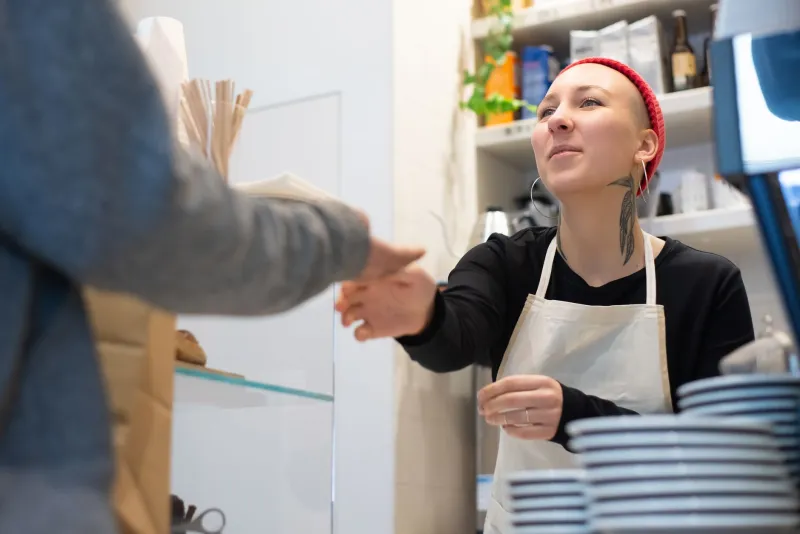
Independent delis operate on a completely different logic. The owner is usually behind the counter. They know the regulars by name. They sponsor the little league team and donate trays to the school fundraiser. When they choose a location, it's not because a market analyst told them the demographics checked out — it's because they believe in the block.
That kind of commitment changes a neighborhood's energy in ways that are hard to quantify but impossible to miss.
"We looked at three different spaces before we landed here," says one deli owner who opened in a formerly vacant storefront on a downtown corridor that had struggled since a major employer left the area in 2018. "People thought we were crazy. But I grew up two miles from here. I wanted to be part of bringing it back."
Within eight months of opening, two other small businesses had leased neighboring storefronts. A coffee roaster. A vintage clothing shop. The deli hadn't just fed the neighborhood — it had signaled that the neighborhood was worth feeding.
The Foot Traffic Effect
There's real data behind what these owners are experiencing intuitively. Lunch-driven businesses generate some of the most consistent and predictable foot traffic of any retail category. A deli with a strong regular customer base can drive two to three traffic spikes per day — morning coffee and breakfast sandwiches, the midday lunch rush, and an afternoon prepared-foods pickup window for people grabbing dinner on the way home.
That consistent rhythm of bodies moving through a block has a compounding effect. People notice other storefronts. They stop to look in windows. Neighboring businesses that might have struggled in isolation start to benefit from proximity. Urban planners sometimes call this the "anchor tenant" effect, and for decades it was assumed that only large retailers could play that role. Increasingly, a well-run deli is proving otherwise.
Smaller footprint, lower overhead, and a product that people genuinely want every single day — it turns out that's a pretty powerful combination.
Younger Crowds and the Return to Main Street
One of the more surprising dynamics in this story involves who's showing up. Millennials and Gen Z, generations often characterized as preferring delivery apps and digital-first experiences, are turning out to be some of the most enthusiastic supporters of the neighborhood deli revival.
Part of it is a reaction against the sterile sameness of chain food culture. Part of it is a genuine hunger — literal and otherwise — for places that feel real. A deli has texture. It has history, or at least the promise of it. The mismatched chairs, the handwritten specials, the counter person who remembers that you always want extra mustard: these details add up to something that an algorithm can't replicate.
Younger customers are also drawn to the transparency that good delis offer. You can watch your sandwich being made. You can ask where the turkey came from. You can see the owner and have an actual conversation. In a food landscape that sometimes feels opaque and industrial, that visibility matters.
For deli owners opening in emerging neighborhoods, this demographic alignment is more than just good news for sales — it's a signal that the bet on a recovering downtown might pay off faster than expected. Young professionals moving into renovated apartments nearby want a neighborhood that feels alive. A great deli is a pretty compelling piece of that puzzle.
What It Actually Takes to Plant a Flag
None of this is easy, of course. Opening a deli in a neighborhood that's still finding its footing requires a tolerance for uncertainty that not every operator has. The lunch rush you're counting on might take six months to materialize. The parking situation might be a mess. The building might need more work than the landlord let on.
The owners who make it work tend to share a few traits. They're deeply embedded in the community before they even open — attending neighborhood association meetings, connecting with nearby employers, building relationships with local suppliers. They treat the deli as a community project, not just a business.
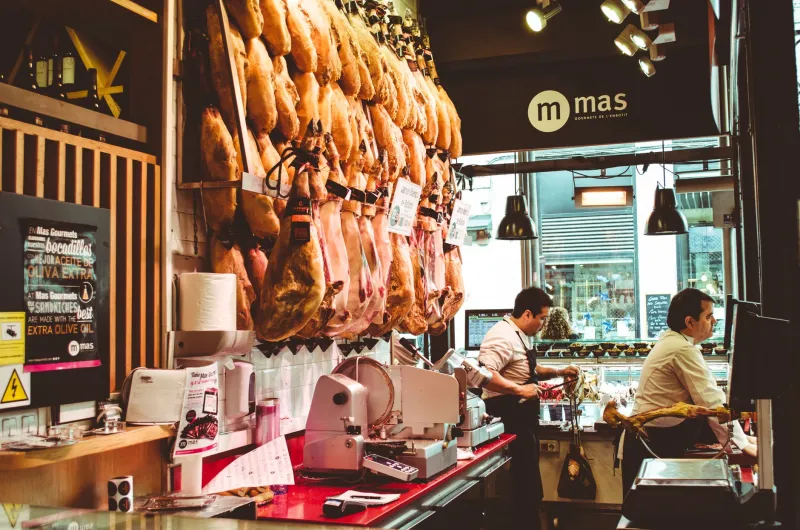
They also tend to be intentional about what they put on the menu. It's not just about having good sandwiches, though that's obviously non-negotiable. It's about having sandwiches — and prepared foods, and catering options — that reflect the specific character of the neighborhood they're serving. A deli in a downtown with a strong immigrant heritage might lean into house-cured meats and Eastern European-style pickled vegetables. One near a university district might experiment more freely with global flavors. The best delis read their neighborhoods and cook accordingly.
A Counter Worth Coming Back To
What's happening in downtowns across the country isn't really a sandwich trend. It's something more meaningful than that. It's a reassertion of the idea that neighborhoods need places where people can gather without an agenda — where the transaction is simple and the welcome is genuine.
Delis have always been that kind of place. The corner spot where you grab lunch, run into your neighbor, hear about the new business opening down the street, and leave feeling slightly more connected to where you live. That's not a small thing. In a moment when so much of daily life has become fragmented and screen-mediated, it might actually be one of the most important things a block can offer.
The deli didn't save downtown America by itself. But it showed up, turned the lights on, and started making sandwiches. And sometimes, that's exactly where a comeback begins.