Cured From Scratch: How Independent Delis Are Bringing Charcuterie Back to the Neighborhood
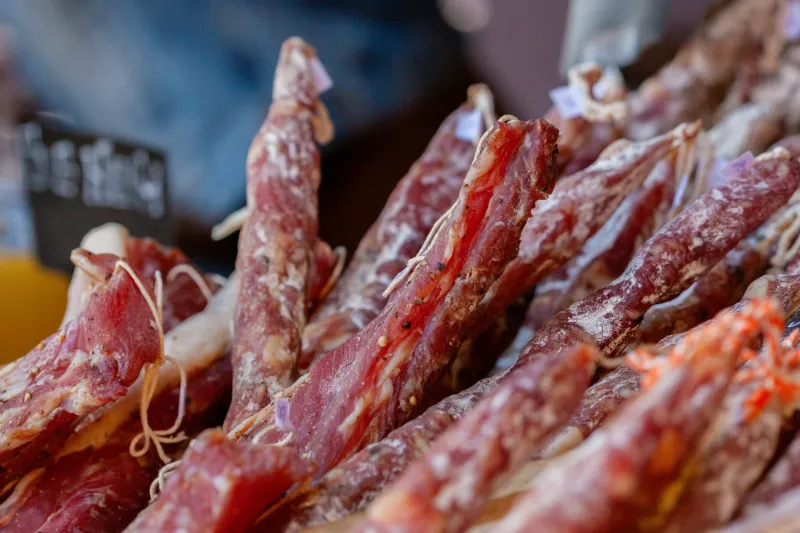
There's a moment, if you've ever watched someone unroll a hand-cured bresaola from its cheesecloth wrapping, where time seems to slow down a little. The deep ruby color, the faint bloom of herbs on the surface, the way it yields under a sharp knife — it's the kind of thing that reminds you food can be genuinely beautiful. And increasingly, that moment is happening not in a high-end restaurant kitchen, but right here at your neighborhood deli counter.
Small-batch charcuterie — the slow, careful art of curing, fermenting, and aging meats — is having a serious moment in America's independent deli scene. After decades of being crowded out by factory-produced cold cuts wrapped in plastic and priced to move, a growing number of deli owners are going back to basics. They're sourcing whole cuts from local farms, mixing their own spice blends, and letting time do the heavy lifting. The results are transforming what it means to grab lunch from the neighborhood spot.
What Got Lost — and Why It Matters
For much of the 20th century, curing meat was simply what delis did. Italian-American neighborhoods had their sopressata hanging in back rooms. Jewish delis were dry-aging their own pastrami. German butcher-delis were smoking their own wurst. These weren't specialty items — they were the whole point.
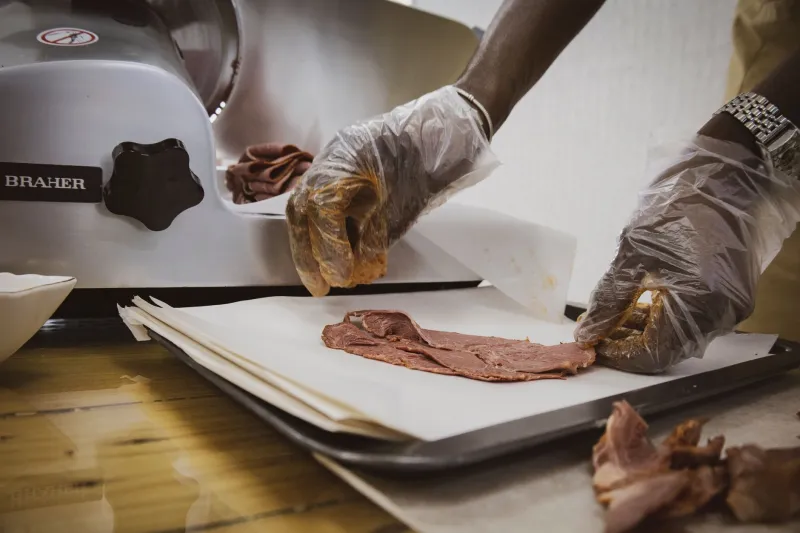
Then came the convenience economy. Pre-sliced, vacuum-sealed, shelf-stable deli meat became the default. It was cheaper to buy from a distributor than to maintain a curing room, hire someone who knew the craft, and wait weeks — sometimes months — for a product to be ready. Little by little, the handmade stuff disappeared from most counters.
What replaced it? You know it when you taste it. That slightly rubbery texture, the uniform pink color, the faint chemical aftertaste. It's not bad, exactly. But it's not the real thing, either.
"People forgot what deli meat was supposed to taste like," says Marco Deluca, who runs a small Italian-style deli in Philadelphia's South Philly neighborhood. "When I started making my own pancetta two years ago, customers would come up and ask what was different. They couldn't name it, but they knew something had changed."
The Craft Behind the Counter
Making charcuterie from scratch isn't complicated in theory, but it demands patience, precision, and a real understanding of what you're working with. Take pancetta — the Italian cured pork belly that's essentially the backbone of a dozen great sandwiches. The process starts with sourcing a quality belly, ideally from a heritage-breed pig raised without antibiotics. From there, it's a matter of rubbing the meat with a careful blend of salt, sugar, black pepper, juniper berries, and whatever aromatics the maker prefers — maybe a little fresh thyme, maybe some red pepper flake.
Then it rests. First in the refrigerator for a week or more, turning daily so the cure penetrates evenly. Then it gets rinsed, rolled tight, wrapped in cheesecloth, and hung in a cool, humid environment to dry-age for anywhere from three weeks to three months. The longer it hangs, the more concentrated and complex the flavor becomes.
Soppressata follows a similar logic but introduces fermentation — the pork is ground, mixed with spices and a starter culture, then stuffed into natural casings and left to develop its characteristic tang and funk. Bresaola, made from beef eye of round, is perhaps the most elegant of the three: leaner, more subtle, with a gentle wine-and-herb perfume that's unlike anything you'll find in a grocery store case.
"Each one teaches you something different," says Angie Kowalski, who operates a deli in Milwaukee's Bay View neighborhood and started her charcuterie program after a trip to Italy five years ago. "Bresaola taught me how much the quality of the beef matters. Soppressata taught me to trust the fermentation. You can't rush any of it."
Local Farms, Local Flavor
One thing that ties most of these small-batch charcuterie programs together is a commitment to sourcing locally. It's not just an ethical choice — though that matters too — it's a practical one. Heritage-breed pork from a nearby farm simply behaves differently than commodity pork. It has more intramuscular fat, better flavor, and a more complex fat composition that holds up beautifully through the curing process.
This is where the charcuterie revival intersects neatly with the broader farm-to-table movement that's been reshaping American food culture for the past couple of decades. Deli owners who source from regional farms aren't just making better products — they're building relationships that anchor their businesses in the community in a real, tangible way.
"I work with two farms within forty miles of here," says Deluca. "I know the farmers by name. When I tell a customer this pancetta came from a pig raised twenty miles away, that means something to them. It means something to me, too."
Kowalski echoes the sentiment. "Buying local keeps money in the neighborhood. It keeps the farms viable. And honestly, it keeps me honest — I can't hide behind a generic product. Everything on my counter has a story."
What This Means for the Sandwich
All of this craft, of course, eventually ends up between two slices of bread. And that's where the payoff becomes undeniable.
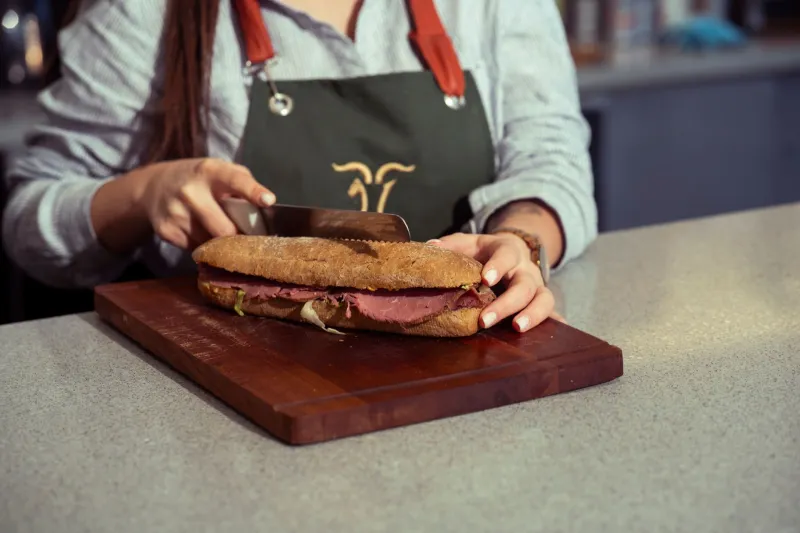
A sandwich built on house-cured soppressata tastes fundamentally different from one made with the commercial stuff. The fat is richer, the spice is more nuanced, the texture has a slight give rather than that processed snap. Layer it with good provolone, some pickled peppers, a smear of grainy mustard on a seeded roll, and you've got something that makes people stop mid-bite and look up.
"That's the reaction I live for," says Kowalski. "When someone takes a bite and just goes quiet for a second. That's it. That's the whole point."
For deli owners willing to invest the time and space, a small charcuterie program can become the thing that sets a neighborhood spot apart from every chain and every grocery store deli counter in a ten-mile radius. It's not about being fancy. It's about being real.
The Neighborhood Deli as Keeper of Tradition
There's something fitting about the fact that it's independent delis — not restaurant groups, not food halls, not celebrity chefs — driving this revival. The neighborhood deli has always been the place where craft and community intersect. It's where the owner knows your name, where the recipes get passed down, where the food tells you something about where you live.
Bringing charcuterie back to that setting isn't just a culinary trend. It's a reclamation. A reminder that the best food in your city might not be at the hottest new restaurant — it might be at the counter where someone's been quietly making their own pancetta since before you even knew to ask.
Stop in. Ask what's curing in the back. Taste something that took six weeks to make. You'll understand immediately why it's worth the wait.