More Than a Side: How the Perfect Pickle Became the Soul of the Deli Sandwich
Let's be honest. When you unwrap a deli sandwich, your eyes go straight to the meat, the cheese, the spread slicked across a fresh-baked roll. The pickle sitting off to the side? It barely gets a second glance — until you take that first bite and realize the whole thing would fall flat without it.
The deli pickle is one of the most underestimated elements in American food culture. It's been sitting quietly on wax paper next to pastrami and corned beef for well over a century, and somewhere along the way, we started taking it for granted. That's a mistake worth correcting.
Where It All Started
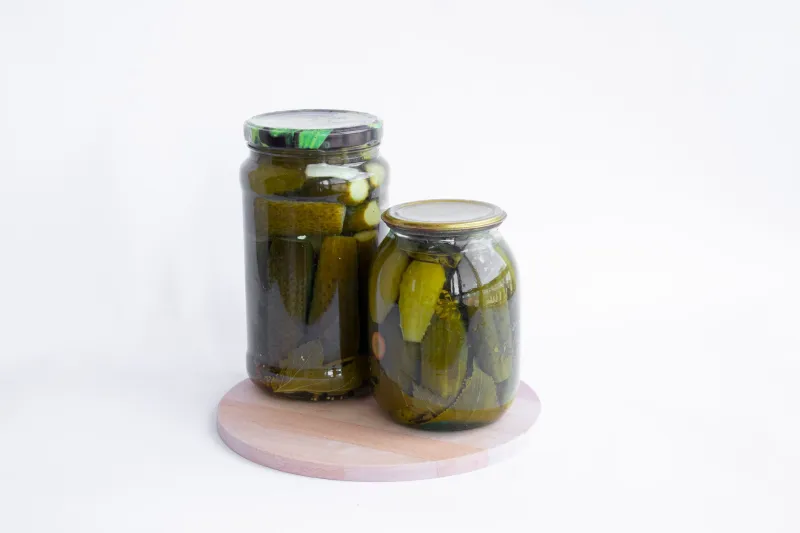
Pickling is ancient — humans have been preserving cucumbers in brine for thousands of years. But the style of pickle most Americans associate with deli food has a much more specific origin story. Eastern European Jewish immigrants who settled in New York City's Lower East Side in the late 1800s brought their fermentation traditions with them, setting up barrel pickle vendors along Orchard Street and Hester Street. These weren't vinegar-soaked shortcuts. They were naturally fermented cucumbers submerged in salt brine, left to develop flavor over days or weeks through the work of live bacteria.
Those barrel pickles became synonymous with the New York deli experience, and their influence spread across the country as deli culture traveled west and south. Today, you can trace a direct line from a Lower East Side pickle barrel to the spear sitting next to your turkey club in Kansas City or your Reuben in Portland.
The Science Behind the Crunch
There's actual craft involved in getting a pickle right, and it starts long before anyone opens a jar. The cucumber variety matters enormously — Kirby cucumbers, with their thinner skins and denser flesh, are the gold standard for deli pickling because they hold up to the brine without turning mushy. A grocery-store slicing cucumber will give you a limp, hollow result that no amount of seasoning can save.
Beyond the cucumber itself, the fermentation process is where the magic — and the science — happens. Traditional lacto-fermented pickles rely on naturally occurring bacteria on the cucumber's skin to convert sugars into lactic acid. That's what creates the distinctive sour, complex flavor that a quick vinegar brine simply can't replicate. It's also what gives a good half-sour or full-sour pickle that satisfying snap when you bite into it.
Temperature, salt concentration, and time are the three variables every pickle maker is constantly managing. Too warm, and fermentation moves too fast, producing off-flavors. Too much salt, and the bacteria can't do their job. Not enough time, and you've got a half-sour — which is its own wonderful thing, bright and grassy. Leave it longer, and the flavor deepens into something funkier, more assertive, more complex. A full-sour pickle is a commitment, and the best ones are worth every day of the wait.
Regional Personalities
One of the things that makes deli culture so rich across the United States is how regional identity shows up in the pickle barrel. Walk into a deli in New York and you're almost certainly getting a garlic-forward kosher dill — garlicky, briny, aggressively sour. Head down to the South and you might encounter a bread-and-butter pickle alongside your pulled pork or country ham sandwich, sweet and tangy with a hint of turmeric coloring the brine golden.
In the Midwest, spicy pickle spears made with jalapeño or red pepper flakes have carved out serious territory, especially in cities with strong German and Polish deli traditions where bold flavors have always had a home. On the West Coast, you'll find delis experimenting with everything from dill-forward fermented pickles to quick-pickled daikon or cucumbers with ginger and rice vinegar — a nod to the diverse culinary communities that have shaped food culture out there.
Each variation reflects something real about the community that created it. The pickle, more than almost any other deli staple, carries a sense of place.
What Makes a Pickle Work With a Sandwich
Here's where the craft conversation gets genuinely interesting. A pickle isn't just a palate cleanser or a textural contrast — though it's both of those things. At its best, a great pickle is doing active work on the flavor of the entire sandwich.
The acidity cuts through fat. That matters enormously when you're dealing with a half-inch of pastrami, a schmear of mustard, and a thick slab of Swiss cheese. The brine's sharpness resets your palate between bites so the flavors stay vivid all the way to the last bite instead of collapsing into a heavy, monotonous wall of salt and protein.
The crunch provides contrast to soft bread and tender meat, giving each bite a textural dimension that keeps eating interesting. And the garlic, dill, and fermentation funk add a layer of umami complexity that amplifies the savory notes in the meat without competing with them.
That's not a garnish. That's architecture.
The Deli's Secret Weapon
At Towne Deli, the pickle is something we take seriously — not because it's trendy or because we're trying to make a statement, but because we believe the details are where a neighborhood deli earns its reputation. Anyone can stack meat on bread. Getting every single element right, down to the spear on the side, is what separates a sandwich you forget about by Tuesday from one you're still thinking about on Friday.
We source our cucumbers carefully, keep our brine recipes close, and give our pickles the time they need. When you taste that snap and that sharp, garlicky hit of brine, you're tasting patience. You're tasting tradition. And honestly? You're tasting a little bit of love.
Give the Pickle Its Due
Next time you sit down with a deli sandwich, don't let the pickle be an afterthought. Take a bite of it on its own first. Notice the crunch, the sourness, the way the garlic and dill bloom on your tongue. Then take a bite of your sandwich. Then go back to the pickle. Pay attention to what it does to the whole experience.
We're willing to bet you'll never take it for granted again.